Home / Services

Our Services

Every service we provide is designed around one goal: getting you accurate information and reliable work on a problem that affects your water supply and your property.

Service 01

Water Main Repair

What it is

Water main repair addresses a specific damaged section of the service line — the pipe that runs from the city connection at the street to your home's interior plumbing. This is the pipe that delivers all of your household water.

When it's needed

Repair is appropriate when the pipe has a localized failure — a crack, pinhole corrosion, joint separation, or small break — and the rest of the line is in serviceable condition. It is generally the less invasive option when the damage is confined to one section.

How it's typically done

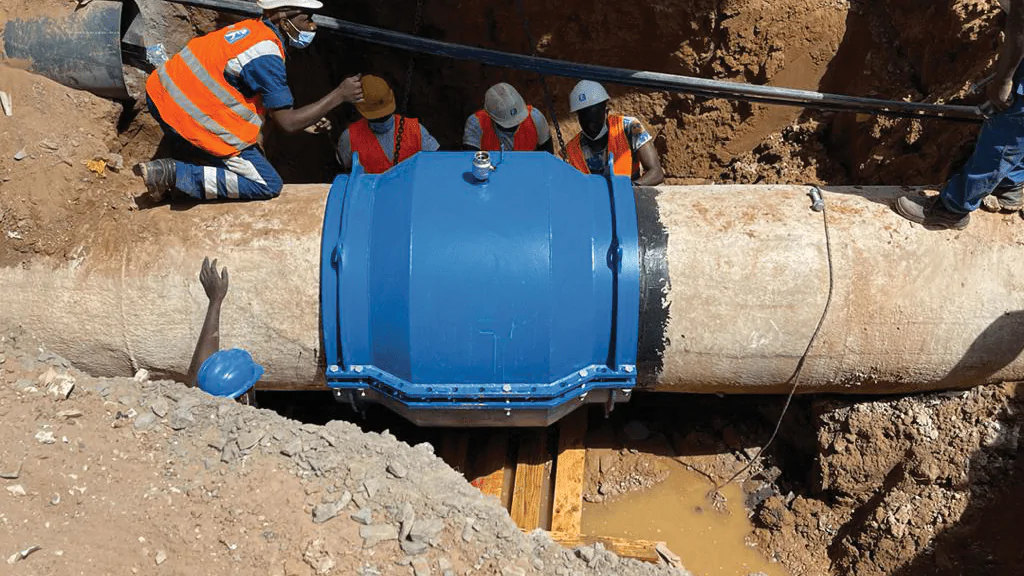
After the leak location is confirmed through pressure testing and detection equipment, we excavate to access the damaged section. Depending on the pipe material and extent of damage, we may splice a new section in, install a repair sleeve, or replace a short segment. The pipe is pressure-tested before backfill begins.

Limitations and considerations
⚠️
Repair addresses the identified problem but does not change the overall condition of the rest of the pipe. If the line is old or has had repeated issues, repair may be a temporary solution. We will be direct about this during the assessment.
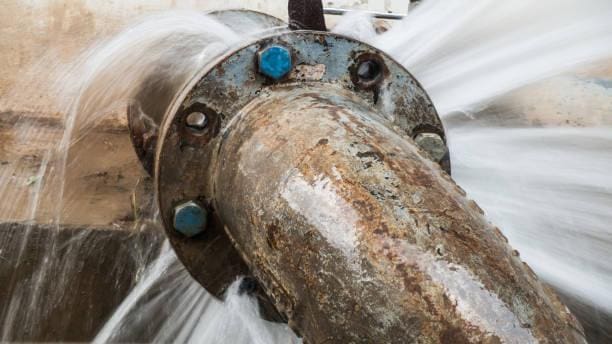
Water main pipe repair work
Typical repair process
  1. Site assessment and pressure test
  2. Leak location confirmation
  3. Utility locates and permit application
  4. Targeted excavation to damaged section
  5. Pipe repair or section replacement
  6. Pressure test before backfill
  7. Backfill, compaction, and surface grading
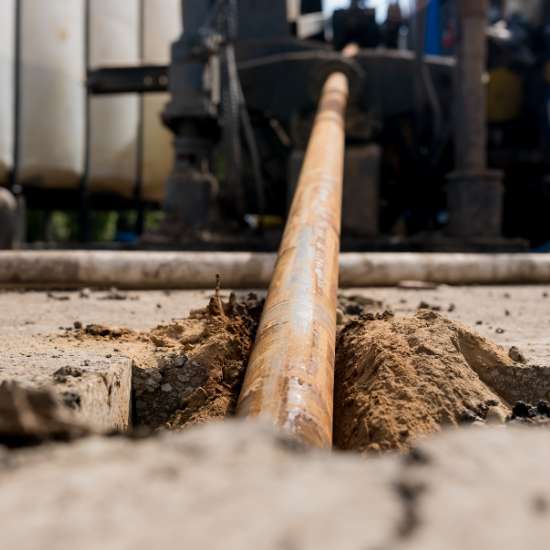
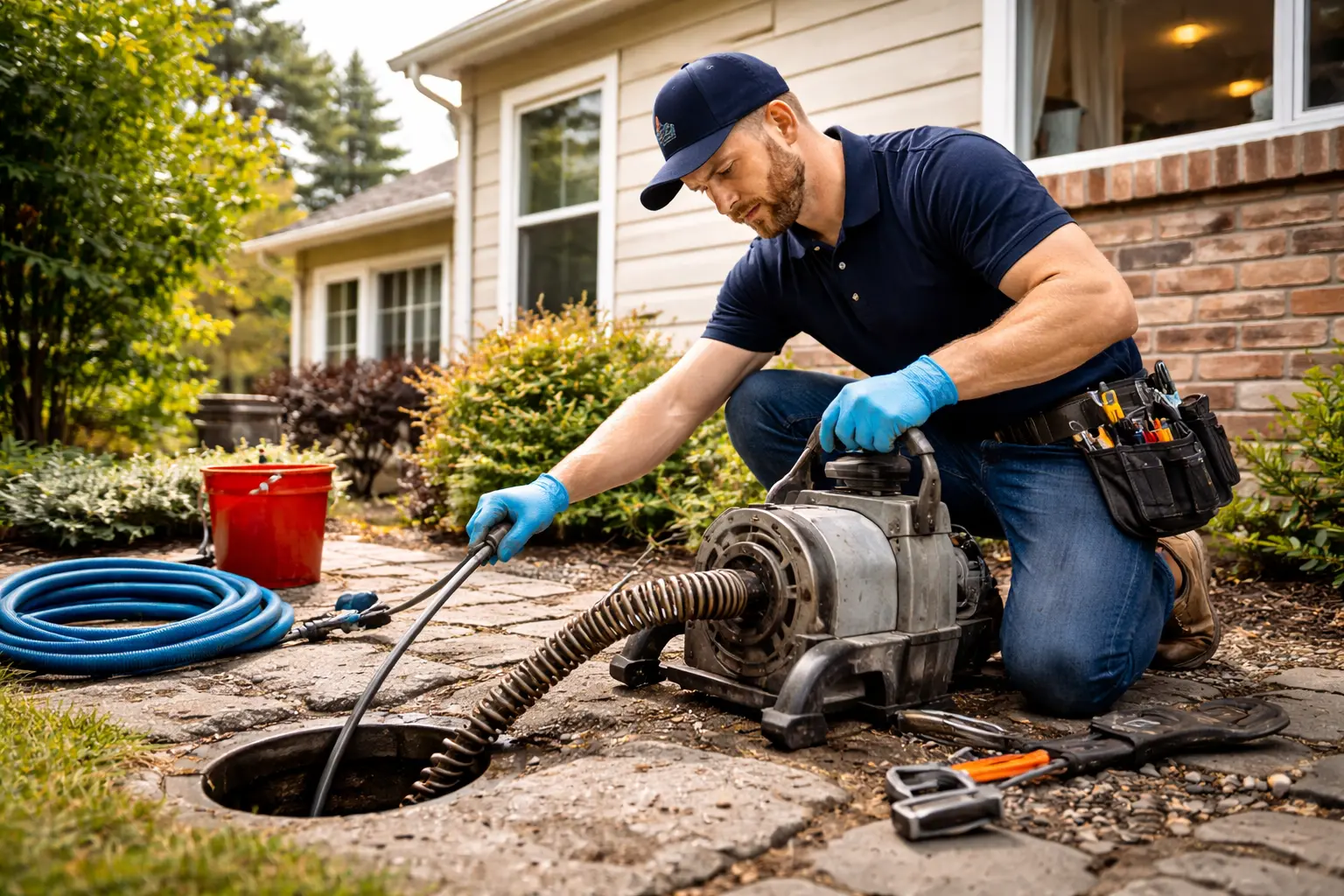
Trenchless pipe repair equipment
ℹ️
Not always applicable. Trenchless methods depend on pipe condition, soil type, pipe depth, diameter, and the accessibility of entry and exit points. We evaluate suitability during the initial assessment — not every job qualifies.
Service 02

Trenchless Repair & Replacement

What it is

Trenchless methods accomplish pipe repair or replacement without excavating along the full pipe route. Instead, small access pits are dug at either end of the line, and equipment works through the existing pipe from the inside or pushes a new pipe through.

When it works

Trenchless is most appropriate when the pipe route passes under a driveway, landscaping, or a section that would be costly or disruptive to excavate. It works best on reasonably straight pipe runs in soil types that do not have excessive rock, debris, or root intrusion.

The two main methods

Pipe bursting pushes a new pipe through the old one, fracturing the old pipe outward into the surrounding soil as the new pipe follows. This is a full replacement in the existing location without excavation.

Cured-in-place lining (CIPP) inserts a resin-saturated liner into the existing pipe. Once cured, it forms a new structural pipe inside the old one. This is typically used for larger-diameter pipes or sewer lines.

Limitations

Trenchless is not suitable for pipes with significant bends, very shallow burial, or where the entry and exit points are inaccessible. It typically costs more than targeted open excavation — the trade-off is reduced surface disruption.


Service 03

Full Pipe Replacement

What it is

Pipe replacement involves removing the existing service line in its entirety and installing a new one. New pipe is typically copper or HDPE, depending on depth, soil conditions, and local code requirements.

When it makes sense

Replacement is appropriate when the overall pipe is in poor condition — often the case with galvanized steel or lead lines in homes built before 1970 — or when a pipe has had two or more failures in a short period. Repairing a section of a failing pipe generally delays rather than prevents future problems.

How it's done

The full pipe route from the curb stop to the house entry point is excavated and the old pipe removed. The new line is installed, connected at both ends, and pressure-tested before backfill. Permits are required, and the work must be inspected by the municipality or relevant authority before the trench is closed.

What to expect for the site

The area above the pipe route will be excavated. Depending on the layout of your property, this may affect lawn, garden, or paving. Surface restoration is part of the job scope — grading and compaction are completed before leaving. Any paving or concrete restoration is agreed upon in advance.

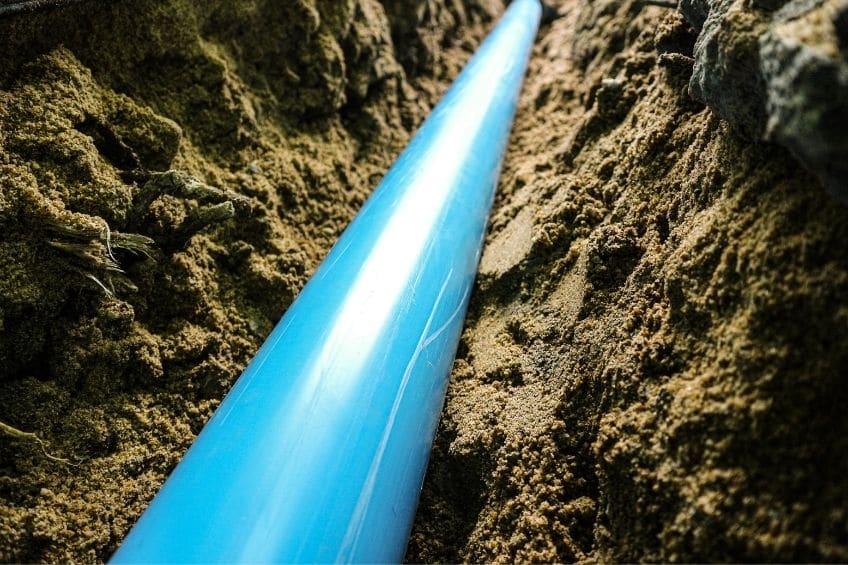
Underground pipe infrastructure replacement
40–70
Years — typical galvanized pipe lifespan
70+
Years — expected copper or HDPE lifespan

Leak detection equipment being used
Service 04

Leak Detection

What it is

Leak detection is the process of confirming whether a leak exists and identifying where it is located before any excavation or repair work begins. This step is often skipped when it shouldn't be — digging without confirmation wastes time and money.

How detection works

A pressure test at the water meter is the first step. This confirms whether the service line is holding pressure or losing it. If pressure is dropping, acoustic listening equipment is used along the pipe route to identify the approximate source of the leak by detecting the sound of escaping water underground.

In some cases, tracer gas or ground-penetrating radar may be used for more precise location when acoustic methods are inconclusive.

What you receive

After a detection visit, we provide a written assessment noting whether a leak was confirmed, where it is approximately located, and what the recommended next steps are. This report is useful regardless of who you ultimately hire to do the repair.

Detection can also rule out a problem. If your symptoms suggest a leak but the pressure test shows no loss, that information is equally valuable — it directs the investigation elsewhere.

Service 05

Emergency Assessment

When to call

Contact us when there is an active break, flooding at the surface, water coming into the basement, or total loss of water pressure. These situations typically require an immediate site visit to understand scope before planning repair work.

First steps before we arrive

🔴
Shut off the water. The main shutoff valve is typically inside the house near where the pipe enters, often in the basement. Shutting this off stops water from continuing to escape while the situation is being assessed. Your municipality can also shut the curb stop if the interior valve is inaccessible.

What we do on site

We assess the visible damage, confirm the source, check for secondary damage (erosion, undermining, foundation proximity), and outline what the repair will involve. We provide a written scope before work begins.

Contact Us Now
Emergency water line assessment
Contact Information
📞 +1 306-373-1841

Call during business hours (Mon–Fri 8am–6pm) to discuss your situation. For after-hours emergencies, your municipality's utility department can shut off the curb stop while you wait for business hours.


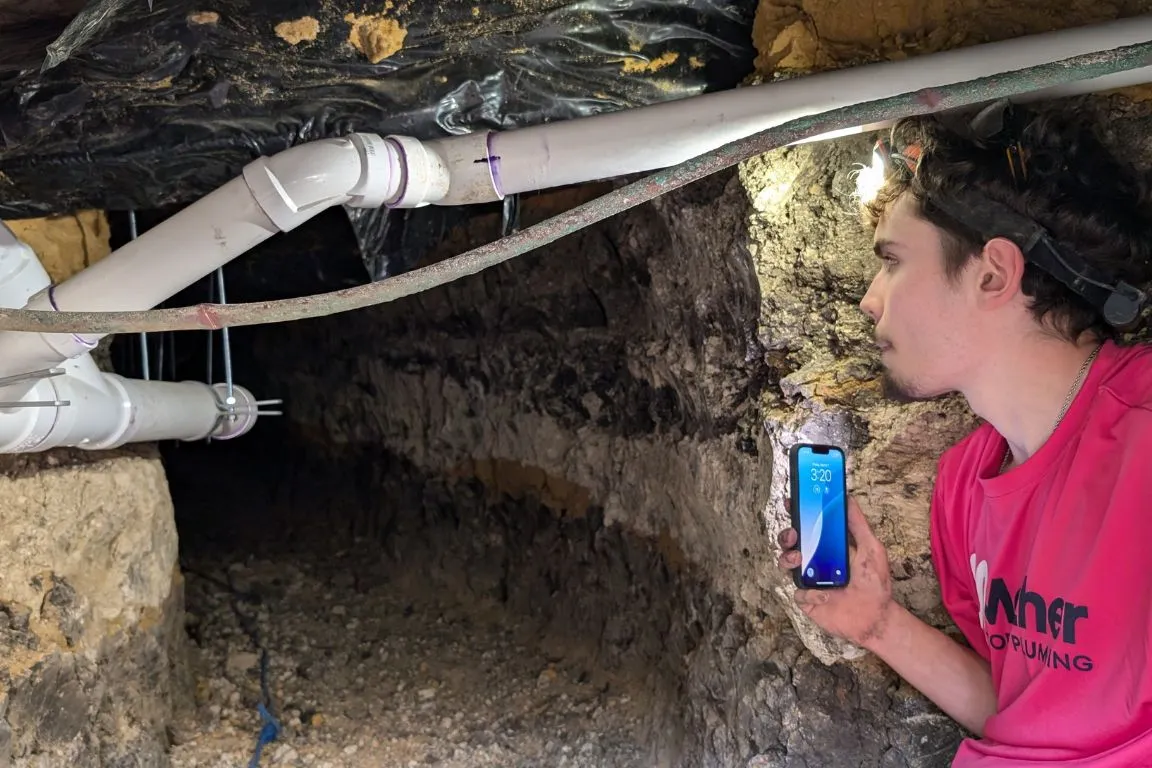
Property inspection for water service line
🏠
Pre-purchase inspections are particularly relevant for homes built before 1980. These often have galvanized steel or lead service lines that have reached or exceeded typical service life.
Service 06

Pre-Purchase Inspection

Why buyers request this

A standard home inspection does not include the water service line in most cases. Buyers purchasing older properties are sometimes surprised after closing when they encounter a failing line that a general inspector did not flag. A dedicated water service inspection addresses this gap.

What we check

We perform a pressure test at the meter, assess the pipe material if accessible at the entry point, review any visible signs of past repairs or water damage, and provide a written report on the estimated condition and remaining service life of the line.

What the report covers

The report includes: pipe material (if determinable), approximate age, pressure test results, visible condition of accessible sections, and a general assessment of whether the line appears to be in good working condition, due for monitoring, or approaching replacement.

We are clear about what we can and cannot determine without excavation. The report reflects what the assessment found — not a guarantee of future performance.

Request an Inspection
Next Step

Not sure which service applies to your situation?

Contact us and describe what you are noticing. We will ask a few questions and advise on whether a site visit is warranted and what it would involve.

Contact Us 📞 Call Us