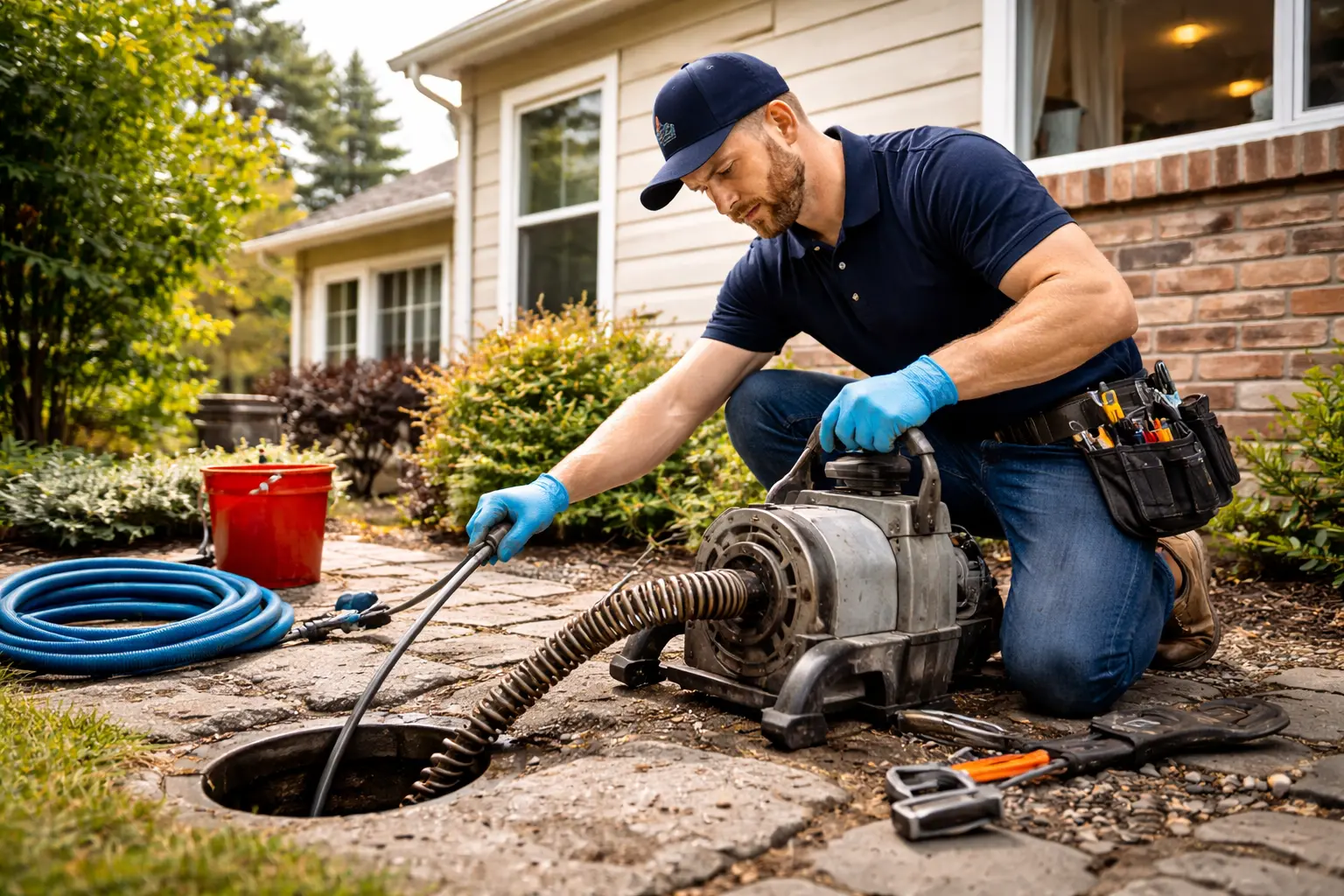
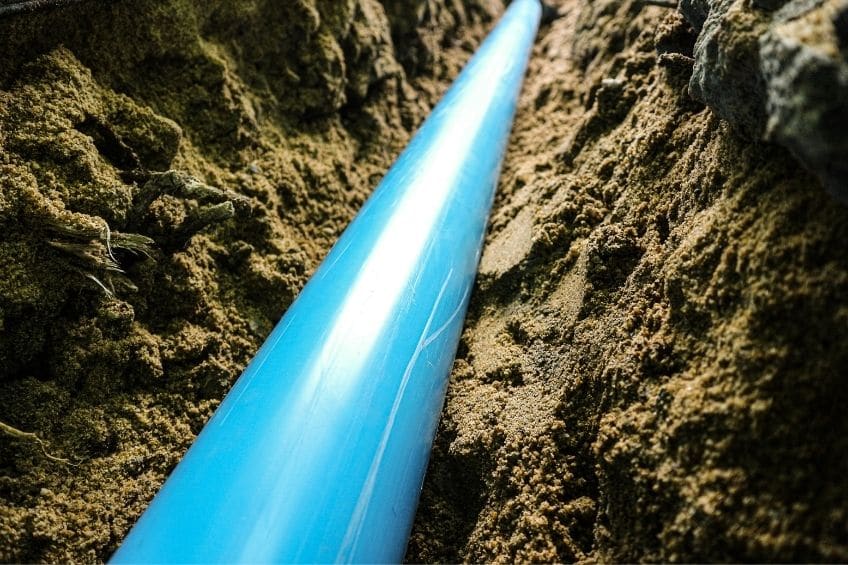
Water main issues can be subtle at first β a slow pressure drop, a slightly higher bill, a soft patch of grass in the yard. We help homeowners and property owners understand what they are dealing with and what their options are.
The pipe that runs from the municipal connection at the street to your home is your responsibility. When something goes wrong with it, it tends to be underground, out of sight, and harder to diagnose than a standard plumbing issue inside the house.
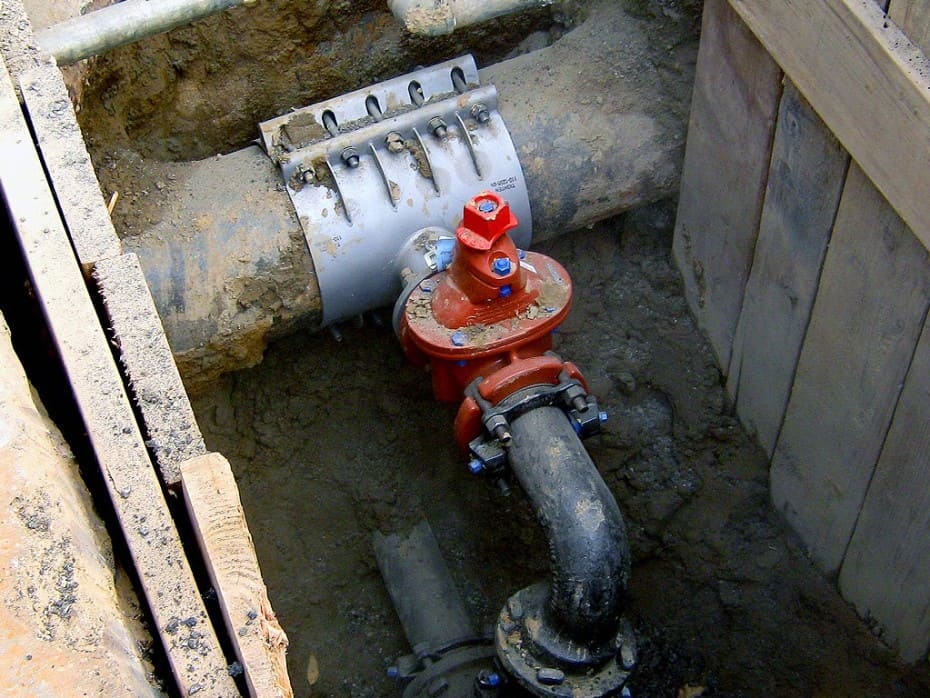
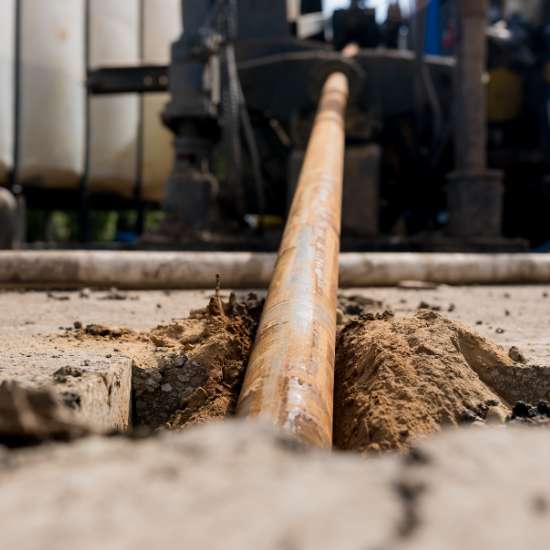
Targeted work on a specific damaged section. Typically involves excavation to access the pipe, unless trenchless methods are applicable.
Identifying where and whether a leak exists before any digging. Pressure tests and electronic equipment can locate problems precisely.
When a pipe is too old or compromised for repair to be cost-effective, a full replacement along the existing or a new route is the right approach.
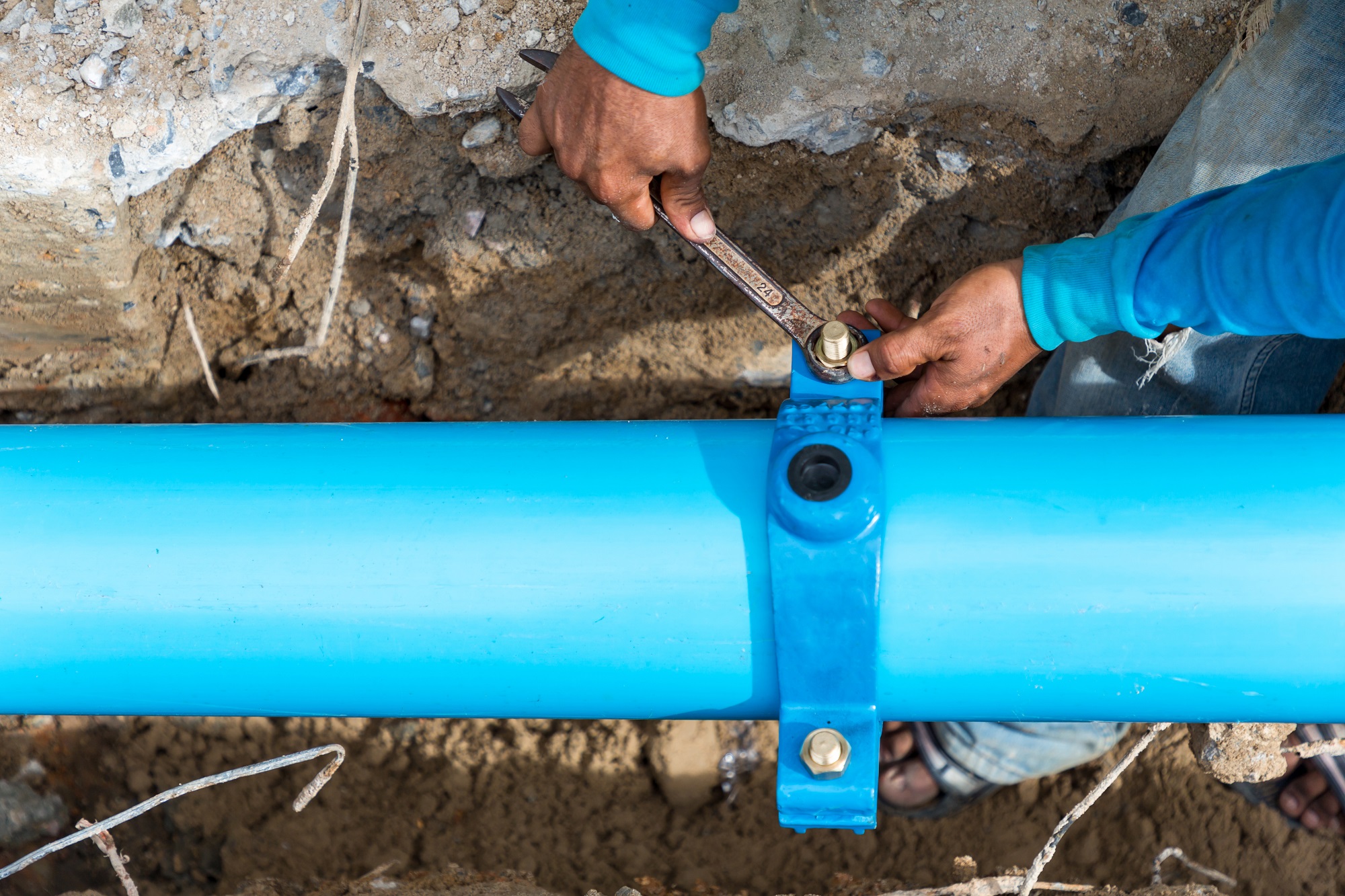
The process starts with understanding what is actually happening. A proper site assessment β not just a visual look β is what separates an educated repair plan from guesswork. From there, the work involves either targeted repair, trenchless methods, or a controlled replacement depending on pipe condition, material, depth, and surrounding infrastructure.
Permits are often required before any excavation near the street connection. We handle that coordination as part of the job.
See How Each Service Works βEach service is suited to different situations. Choosing the right approach depends on what is actually wrong, not just what is fastest or cheapest to do.
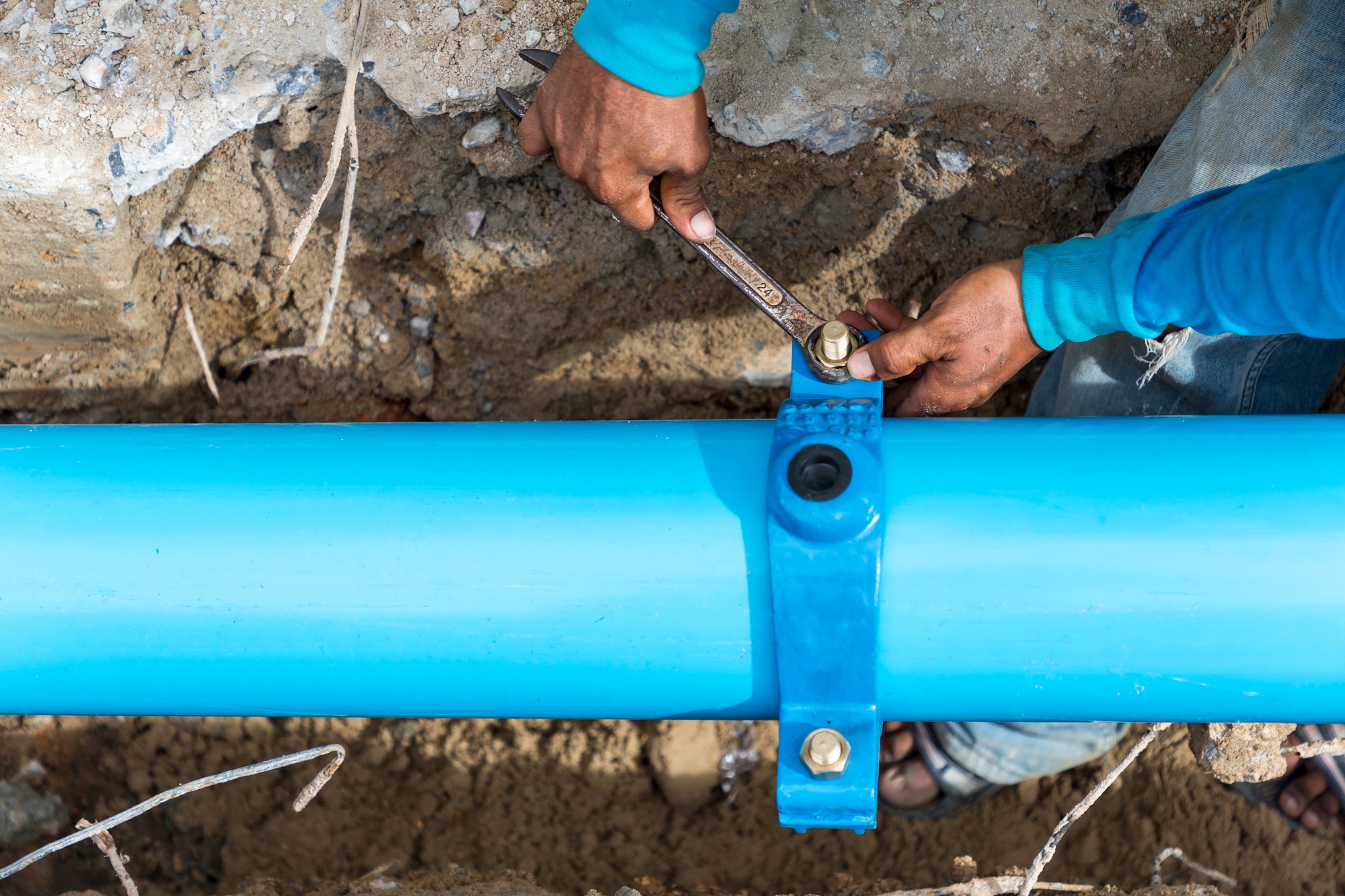
Correcting a break, crack, or joint failure in the service line. The scope depends on what we find β from a targeted section replacement to a sleeve repair.
Learn about repair β
A method that avoids full excavation in cases where the pipe route passes under driveways, landscaping, or pavement. Not always applicable, but worth evaluating.
How trenchless works β
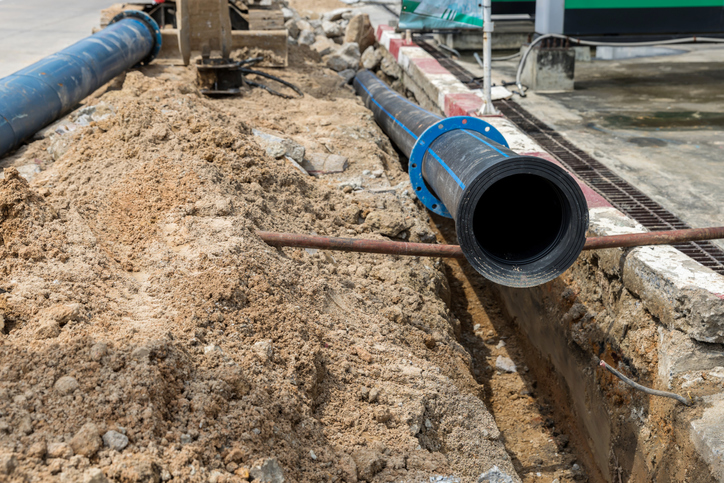
Full removal and reinstallation of the service line. Typically the right call for older galvanized or lead pipes, or when a line has had repeated issues.
When replacement makes sense β
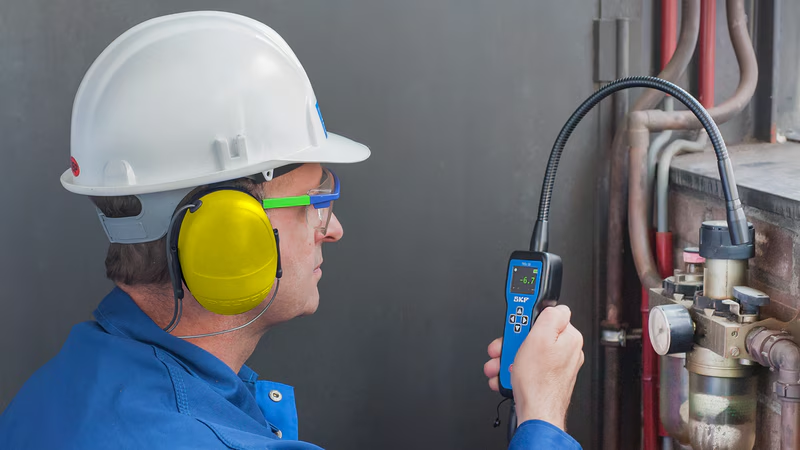
Pinpointing where a leak is happening before excavation. Pressure testing and acoustic equipment reduce unnecessary digging when the location is uncertain.
About detection methods β
When there is an active break, flooding, or total loss of water, the first step is an immediate site assessment to understand scope before planning repairs.
Contact us now β
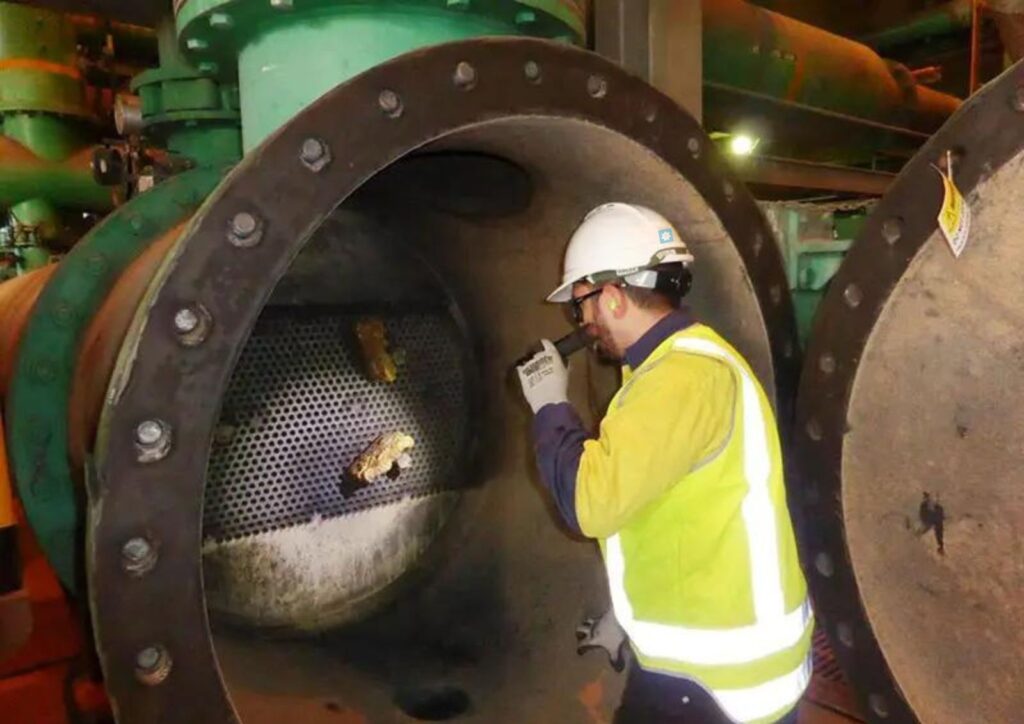
Buyers and new property owners often benefit from knowing the condition of the service line before taking on responsibility for it. An inspection report provides that clarity.
What we check βDifferent problems call for different approaches. Click on the scenario that sounds most like what you are dealing with.
We try to keep every homeowner informed at each stage. Water main work involves coordination with your municipality, utility companies, and often a permit office β we handle that, and let you know what is happening and why.
You describe what you are noticing. We ask questions, review the property details, and outline whether a site visit is warranted and what it will involve.
A technician comes to the property, runs a pressure test at the meter, and uses listening equipment along the pipe route to identify problem areas before any digging starts.
We prepare a written scope of work, apply for any required permits, and coordinate with your municipality or utility if the work involves the curb stop or street connection.
The work is carried out based on the agreed approach. You are kept informed of timing and what to expect, including any temporary water disruption.
Excavated areas are backfilled and graded. Final pressure testing confirms the repair is holding before we close the job.
Answer five quick questions and we'll give you our read on whether you need immediate attention, an inspection, or just some general monitoring.
Most failures are the result of gradual deterioration β corrosion, soil movement, freeze-thaw cycles, or material fatigue over decades. Understanding the stages helps explain why some repairs are more straightforward than others.
Answer five yes/no questions and we will suggest the most appropriate next step based on your situation.
Knowing your home's age and the likely pipe material can help set realistic expectations about what condition the line may be in.
These are representative of the feedback we receive. We have included them as honest accounts of the experience β not as sales copy.
We had a slow pressure drop for months and assumed it was the city's problem. Turned out the issue was on our side of the meter. The assessment was thorough and the technician explained clearly why excavation was needed and where. Work was done in a day and a half, backfill looked clean.
Our water bill jumped significantly in October. We called Water Main Repair CA and they ran a pressure test that confirmed a slow leak near the foundation. They applied for the permit, coordinated with the town, and scheduled the work within about two weeks. No surprises.
We used them for a pre-purchase inspection on a 1960s bungalow. They found that the galvanized service line was near the end of its useful life and gave us a written report. That gave us the information we needed to negotiate before closing. Would recommend for anyone buying an older home.
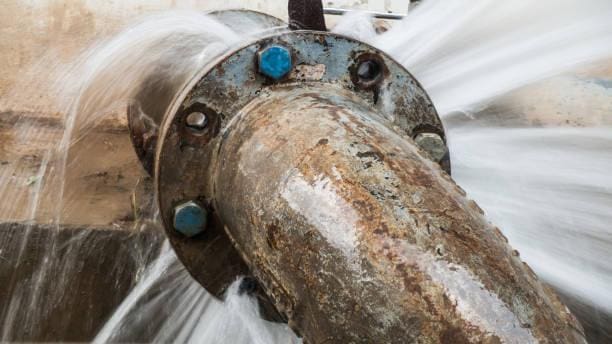
Active break on a Friday evening. Water was coming up through a soft patch on the front lawn. The team arrived Saturday morning, assessed the break, shut things down at the curb stop, and got the repair done by end of day. Site was left in better shape than I expected.
These articles cover the most common questions homeowners have about water main issues β what causes them, what the repair process involves, and what affects the cost.
Early and late symptoms of a water main break β what to look for in the house, in the yard, and on your water bill before the problem becomes obvious.
Read Article β
A realistic look at what trenchless repair involves, when it is actually applicable, and the limitations homeowners should understand before requesting it.
Read Article β
An honest breakdown of the variables that influence what a repair or replacement project costs β soil, permits, pipe length, access, and regional factors.
Read Article βThese are the questions that come up most often before and during a job. We try to answer them plainly.